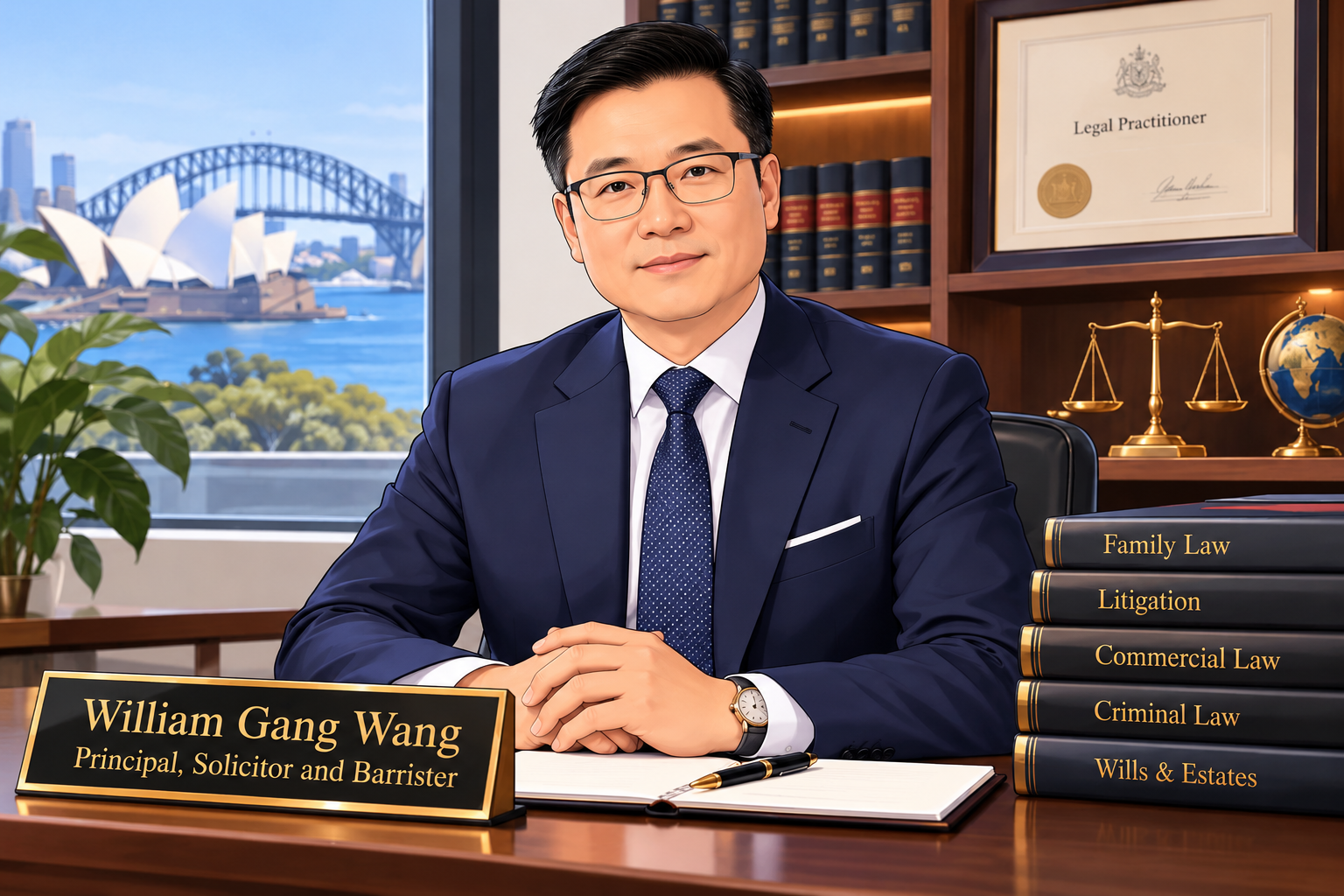
William Gang Wang · Principal Solicitor · Herald Legal
Herald Legal, operated by Wang Lawyers Pty Ltd, provides defamation and reputation-related legal advice in English and Chinese. Principal solicitor William Gang Wang accepts enquiries from across Australia; representation depends on the circumstances, applicable legal requirements and acceptance of instructions.
Meet principal solicitor William Gang Wang →Defamation Law Services
Online and social-media defamation advice
Reputation and business-related disputes
Corrections, apologies and settlement options
Defamation proceedings and defence strategy
Interstate and cross-border online publications
Frequently Asked Questions About Defamation
What can amount to defamation?
Australian defamation law balances the protection of reputation with freedom of expression. Key issues include publication to someone other than the person complained of, identification, defamatory meaning, and the serious harm requirement. A negative opinion or criticism does not automatically give rise to an actionable claim.
Defamation on WeChat, Facebook and other platforms
Posts in WeChat groups, comments, online reviews, messages and other electronic communications can amount to publication. Preserve original posts, URLs, dates, screenshots, readership information and evidence of republication. Responsibility may differ for authors, republishers and online intermediaries.
What is the serious harm requirement?
Under the Defamation Act 2005 (NSW), serious harm is a substantive element. For a corporation entitled to bring a claim, serious financial loss can be relevant under the statutory test, and not every corporation is eligible to sue. Feeling upset or offended alone does not establish every legal element.
What is a concerns notice?
Before commencing defamation proceedings, an aggrieved person ordinarily must give a compliant written concerns notice identifying the material, alleged defamatory imputations and relevant serious harm. A publisher may be able to offer to make amends. Timing and pre-action requirements commonly involve a 28-day period, subject to statutory exceptions and individual circumstances.
What if I receive a defamation notice?
Keep the publication and surrounding context, assess the alleged imputations and identification, consider supporting evidence and defences, and carefully evaluate amendment, removal, apology or settlement options. Avoid destroying relevant evidence or escalating the dispute through further public posts.
What defences may be available?
Depending on the facts, defences may include substantial truth, contextual truth, honest opinion, absolute or qualified privilege, and publication on a matter of public interest. Each has statutory elements and evidentiary requirements.
How long do I have to commence a claim?
Defamation proceedings in NSW are generally subject to a one-year limitation period, with certain statutory rules about extension and multiple publications. Online and interstate publications can raise additional issues, so obtain advice promptly.
What should I bring to the first consultation?
Useful materials include the original post or statement, translations where applicable, full screenshots, URLs, dates, evidence of audience and circulation, communications seeking correction or removal, and records showing reputational or business impact.
Contact William Gang Wang about defamation law
Sydney CBD office: Suite 706, 368 Sussex Street, Sydney NSW 2000. Enquiries across Australia welcome, subject to engagement.
Contact Our FirmGeneral information only; not legal advice. Laws and procedures can vary between Australian jurisdictions. Engagement depends on conflict checks and formal acceptance of instructions.
Defamation Act 2005 (NSW) · NSW Judicial Commission — Defamation
Business Law · Civil and Commercial Litigation
Social media and WeChat defamation
For general information about evidence, serious harm and concerns notices in Chinese-language group discussions, read our Chinese-language WeChat defamation guide. See also our civil litigation services. Each matter requires individual assessment.